
The Push for AI Powered Defense
11 March 2025 - A Weekly Publication by New North Ventures

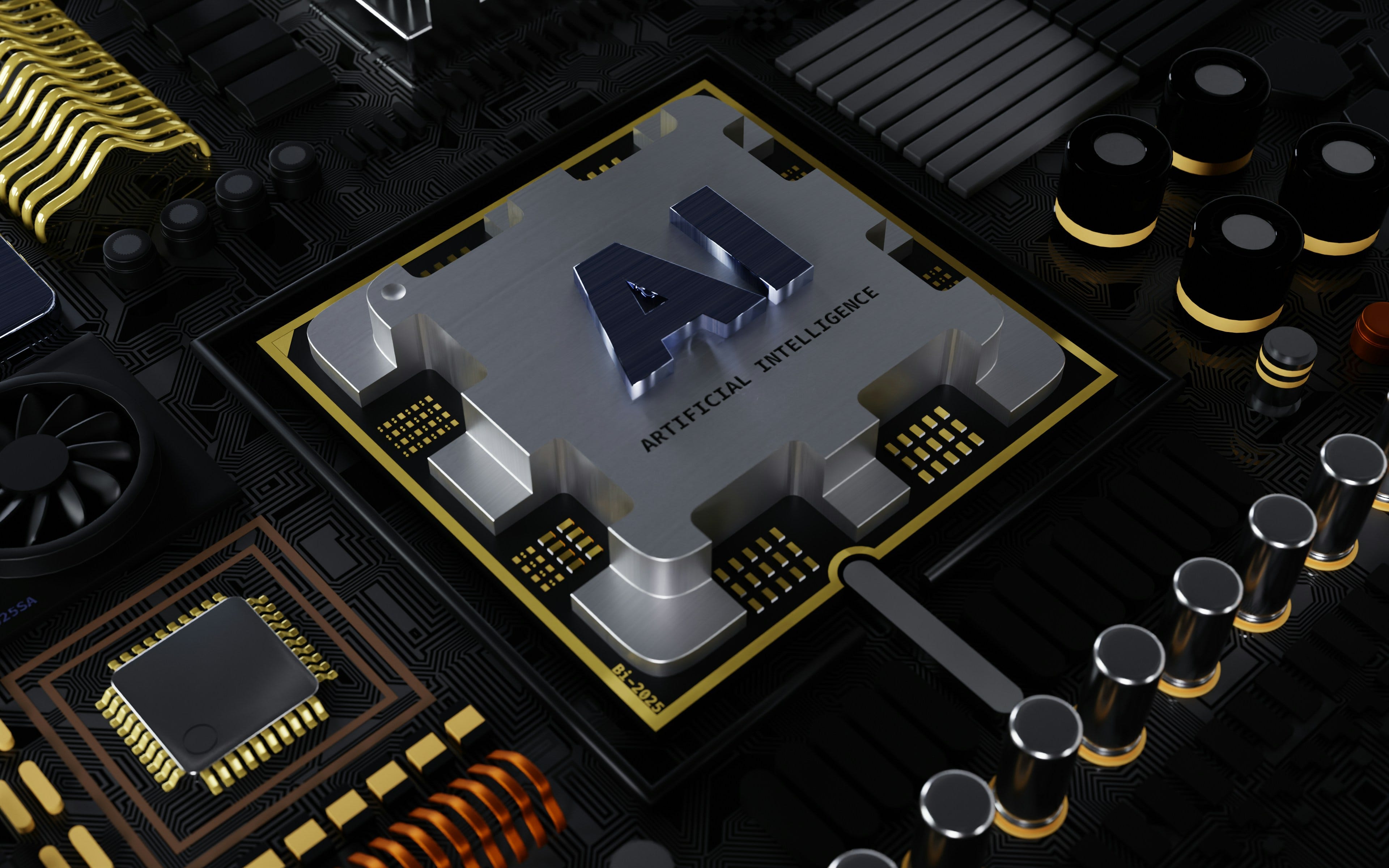
Pentagon Employees Can Create Their Own Custom AI Assistants
The U.S. Department of War has introduced a new “Agent Designer” capability on its enterprise AI platform, GenAI.mil, allowing personnel across the department to build custom AI assistants tailored to their specific workflows. The tool integrates Google’s Gemini models and is designed to be accessible even to users without coding experience. With it, the Pentagon’s roughly 3 million military and civilian employees can create AI agents capable of performing multi step tasks, ingesting different data sources, and automating complex processes across mission areas. Examples include generating after action reports, turning imagery into analytical memos, or building applications to analyze financial and logistics data.
The rollout is part of a broader push by the Pentagon to accelerate AI adoption across both operational and administrative functions. Since launching in late 2025, GenAI.mil has become the department’s central generative AI platform, incorporating commercial frontier models from companies such as Google, with additional tools from OpenAI and xAI expected to be integrated. The effort underscores the Pentagon’s strategy to rapidly deploy commercial AI capabilities across the force, even as tensions with AI vendor Anthropic have escalated into a legal dispute after the company was designated a supply chain risk and barred from the platform.

Mastercard Brings Agentic Payments to Life in Singapore With DBS and UOB
Mastercard has taken a major step toward “agentic commerce” with the completion of its first live AI initiated payment transaction in Singapore, in partnership with two major banks, DBS Bank and United Overseas Bank (UOB). In the demonstration, an AI agent automatically booked a ride to Singapore’s Changi Airport through a mobility provider, initiating and completing the payment without a human clicking “confirm.” The transaction was enabled by Mastercard’s Agent Pay framework, which uses tokenized credentials, dedicated “agentic tokens,” and passkey authentication to verify identity and ensure that the consumer has explicitly authorized the AI agent to act on their behalf.
The pilot illustrates how AI agents could soon handle routine purchases, such as travel bookings, transportation, or retail transactions, while financial institutions provide the security and authentication layers needed to maintain trust. Mastercard is positioning Singapore as a hub for this shift, launching an AI Centre of Excellence and working with banks and merchants to build infrastructure for AI driven payments across the Asia Pacific region. The move signals a broader trend: as AI systems evolve from assistants into autonomous actors, financial networks are racing to create the rails that allow those agents to safely transact in the real economy.
YouTube expands AI deepfake detection to politicians, government officials etc
YouTube is expanding its AI driven deepfake detection capabilities to a new pilot group that includes government officials, political candidates, and journalists. The platform’s “likeness detection” tool, which functions similarly to its Content ID system but for identifying synthetic media, first rolled out to millions of creators last year. Now, eligible public figures can upload verified identity information and then review videos that the system flags as potentially AI generated impersonations of their likeness, with the option to request removal if the content violates YouTube’s policies.
While the technology aims to help protect individuals from unauthorized AI impersonation and misinformation, YouTube stresses that not all flagged content will be removed. The company is also advocating for broader regulatory frameworks like the NO FAKES Act to establish clearer legal protections against deceptive AI media. This expansion reflects growing industry efforts to address the risks posed by sophisticated AI deepfakes in public discourse and information ecosystems.
More links to explore:

Trump’s New National Cyber Strategy and the Threat of Inconsistent Defense
New North Ventures portfolio company, CrunchAtlas, is focused on enabling proactive cyber defense for some of the most vulnerable parts of America’s critical infrastructure including small and independently operated utilities. Rather than relying on expensive, outsourced security operations centers, the company is building technology that allows utilities to conduct their own cyber threat hunting and defensive operations in a self contained environment. The platform is designed to make sophisticated cyber capabilities accessible and affordable for organizations that traditionally lack the budget or personnel for enterprise grade security. By giving utilities the tools to detect adversaries, collaborate with peers, and operate independently, CrunchAtlas helps shift cybersecurity from a reactive compliance exercise to an operational capability that can be deployed directly by the organizations responsible for running essential infrastructure.
The direction CrunchAtlas is taking aligns closely with the themes emerging from President Donald Trump’s new national cyber strategy. The strategy emphasizes a more proactive and aggressive cyber posture, including the use of offensive cyber capabilities, stronger public private collaboration, and new technologies to secure critical infrastructure such as energy systems. It also highlights the need to empower industry and deploy advanced tools to detect and disrupt adversaries faster. In that context, solutions that allow infrastructure operators themselves to hunt threats and harden their networks are increasingly important. The challenge with cybersecurity for decentralized utilities has never been awareness, it’s cost, talent, and implementation. By making advanced cyber capabilities accessible and self contained, CrunchAtlas is addressing exactly the gap policymakers are now trying to close: enabling the private sector operators of critical infrastructure to become active participants in defending the nation’s cyber terrain.
How to Evaluate Deepfake Detection for Enterprise Use
Reality Defender, a North Ventures portfolio company, is at the forefront of combating the rising threat of AI generated deepfake media by providing advanced detection tools used in real world production environments. The company’s platform uses a multi model, machine learning approach to analyze audio, video, and images for subtle manipulation signals, allowing enterprises, governments, and critical institutions to identify synthetic or manipulated media before it can influence decisions or be used in fraud and impersonation attacks. Reality Defender’s technology supports real time detection in workflows such as secure communications, contact center authentication, and content verification, routing actionable signals into existing security and operational systems so teams can respond effectively. With offerings that include APIs, SDKs, and scalable deployment options, the company has built solutions designed to integrate directly into business systems where trust and identity verification are essential, helping organizations stay ahead of evolving deepfake threats.

Growth Capital Podcast recently featured New North Ventures Partner Bryan Mabry.
Dual-use isn’t about politics, it’s about optionality. Companies that serve both commercial and government markets often see stronger valuations, more resilience to budget shifts, and less exposure to procurement delays.
The conversation also highlights the risks and benefits of pursuing a dual-use strategy as an early stage founder.
Listen to the full episode here: https://lnkd.in/e5iEjnXY
Thanks for reading Securing Our Future! Subscribe for free to receive new posts and support my work.